
Rosacea Treatment Auckland: Managing a Chronic Skin Condition
Rosacea is an inflammatory skin condition that typically causes flushing, ongoing redness, small red bumps and visible blood vessels across the cheeks, chin, forehead and nose, and it can flare in severity over time. At Aesthetica in Grey Lynn, Dr Patti Piper assesses and manages rosacea as the medical condition it is, using topical, oral and trigger-management strategies rather than treating it as a purely cosmetic concern.
Discuss with Dr Patti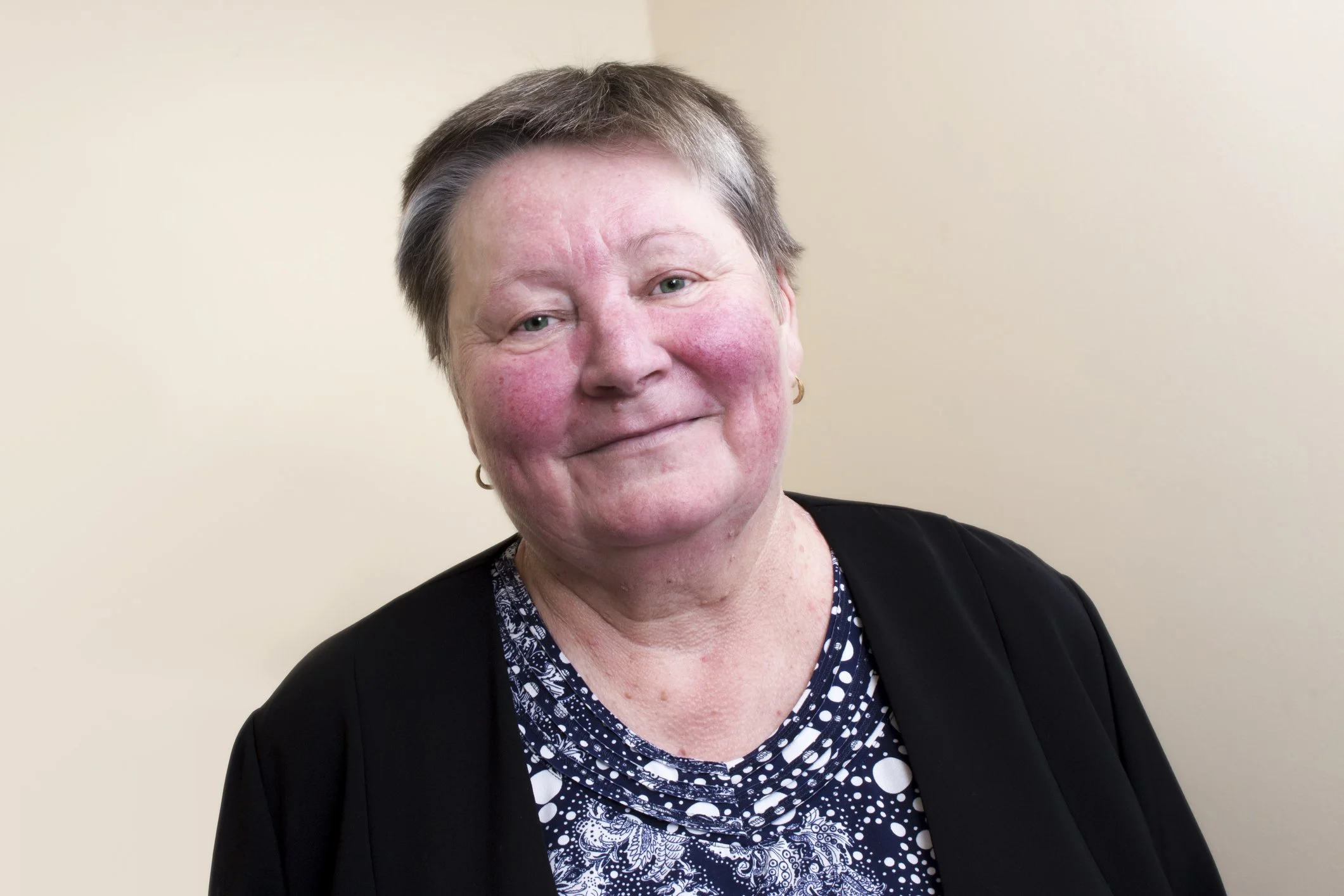
Rosacea is a chronic inflammatory condition of the facial skin, most often affecting the cheeks, chin, forehead and nose.
It typically begins as temporary flushing that gradually becomes more permanent redness, sometimes with small red bumps, visible blood vessels and a stinging or dry sensation. The exact cause is not fully understood, but genetics play a role, particularly in people of Celtic descent and more often in women, and increased levels of skin bacteria and the Demodex hair follicle mite are thought to contribute to the inflammation. Rosacea varies from mild to severe and tends to be recurrent or permanent rather than a passing irritation.
Treatments that may suit
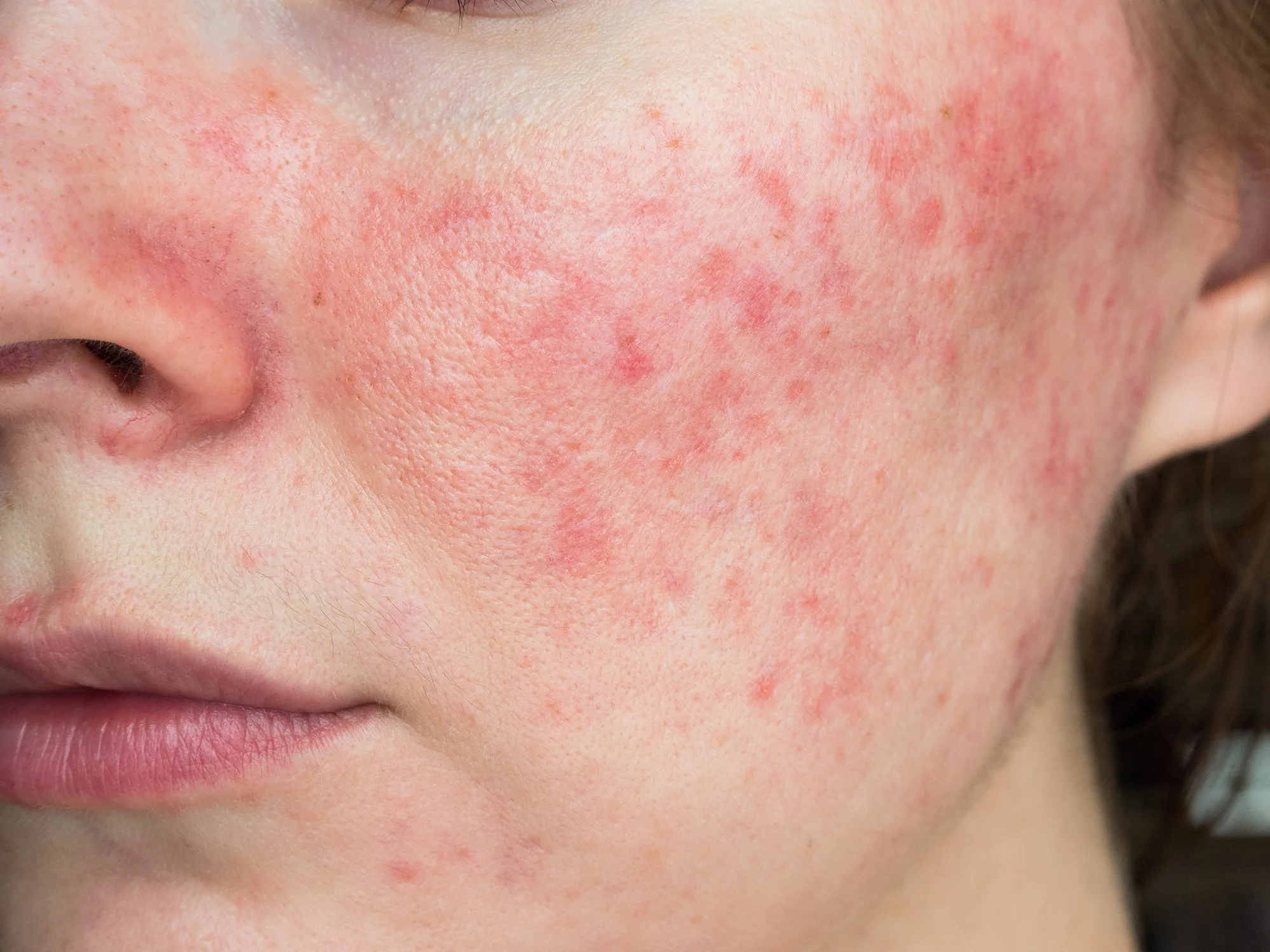
Sun exposure is one of the most significant rosacea triggers, since UV radiation increases inflammation in the skin, which is why daily high-SPF sunscreen is essential year round. Temperature extremes, wind, spicy food, hot drinks, alcohol and stress can all provoke flushing and flare-ups, along with some topical products such as steroid creams. A gentle skincare routine that avoids harsh cleansers, exfoliants and irritating ingredients also reduces the frequency of flares.
Rosacea is managed rather than cured, and treatment is chosen based on severity. Topical prescription treatments such as azelaic acid, metronidazole or brimonidine can reduce redness and inflammation for milder cases. More significant or persistent rosacea may need oral treatment, such as antibiotics like doxycycline, to control inflammation. Where visible blood vessels and redness are the main concern, laser or intense pulsed light therapy can reduce their appearance, and dermal needling can also help with the broken blood vessels rosacea leaves behind. Dr Patti Piper assesses severity and recommends the appropriate combination, with regular follow-up to adjust the plan as needed.
Frequently asked
Rosacea typically causes flushing that gradually becomes more persistent redness across the cheeks, chin, forehead and nose, often alongside small red bumps, visible blood vessels and a stinging or dry sensation. What sets it apart from ordinary flushing is that the redness becomes progressively more permanent over time rather than settling back to normal skin between episodes. Rosacea also tends to be recurrent, meaning flares can return periodically even with treatment.
Common rosacea triggers include sun exposure, temperature extremes, wind, spicy food, hot drinks, alcohol and stress, along with some topical products such as steroid creams. Sun exposure is one of the most significant triggers because UV radiation increases inflammation in rosacea-prone skin, which is why daily sunscreen is essential regardless of season. Triggers vary between individuals, so keeping track of what precedes your own flare-ups is a useful way to identify and reduce your personal triggers.
Rosacea cannot currently be cured, but it can be effectively managed with the right combination of trigger avoidance, gentle skincare and medical treatment. Topical or oral prescription treatment can control inflammation and reduce flare frequency, and laser or light-based therapy can reduce the appearance of visible blood vessels, but the underlying tendency towards rosacea remains. Regular follow-up with a doctor allows treatment to be adjusted over time.
A referral is not required to be assessed for rosacea at Aesthetica; you can arrange a consultation directly with Dr Patti Piper by phone. At the appointment, your skin is examined to confirm a rosacea diagnosis rather than a similar-looking condition, your likely triggers are discussed, and appropriate topical or oral treatment is recommended based on severity.
Laser or intense pulsed light therapy can meaningfully reduce the appearance of the visible blood vessels and redness associated with rosacea, though it does not cure the underlying condition or prevent new vessels from developing over time. It is generally considered alongside, rather than instead of, topical or oral treatment that addresses the inflammation itself.
A gentle, minimal skincare routine works best for rosacea-prone skin: avoid harsh cleansers, physical exfoliants and irritating active ingredients, and use a non-greasy moisturiser to support the skin barrier. Daily broad-spectrum, high-SPF sunscreen is essential year round, since sun exposure is one of the most significant rosacea triggers. Dr Patti Piper can advise on suitable products alongside any prescribed medical treatment.
Concerned about persistent redness?
Bring your concern. Dr Patti will give you an accurate diagnosis and an honest management plan.
Book a consultation