Medical Dermal Needling: Collagen Induction Therapy in Auckland
Dermal needling uses a medical device called a Dermapen to create controlled micro-channels in the skin, triggering the body's own collagen production. It improves texture and firmness, softens fine lines and scarring, helps with pigmentation and the broken blood vessels left by sun damage and rosacea, and reduces the size of pores. Aesthetica uses the Dermapen 4, which Dr Patti considers the best device on the market. It is a course-based treatment rather than a single quick fix, planned around how your skin responds over several sessions.
Book a consultation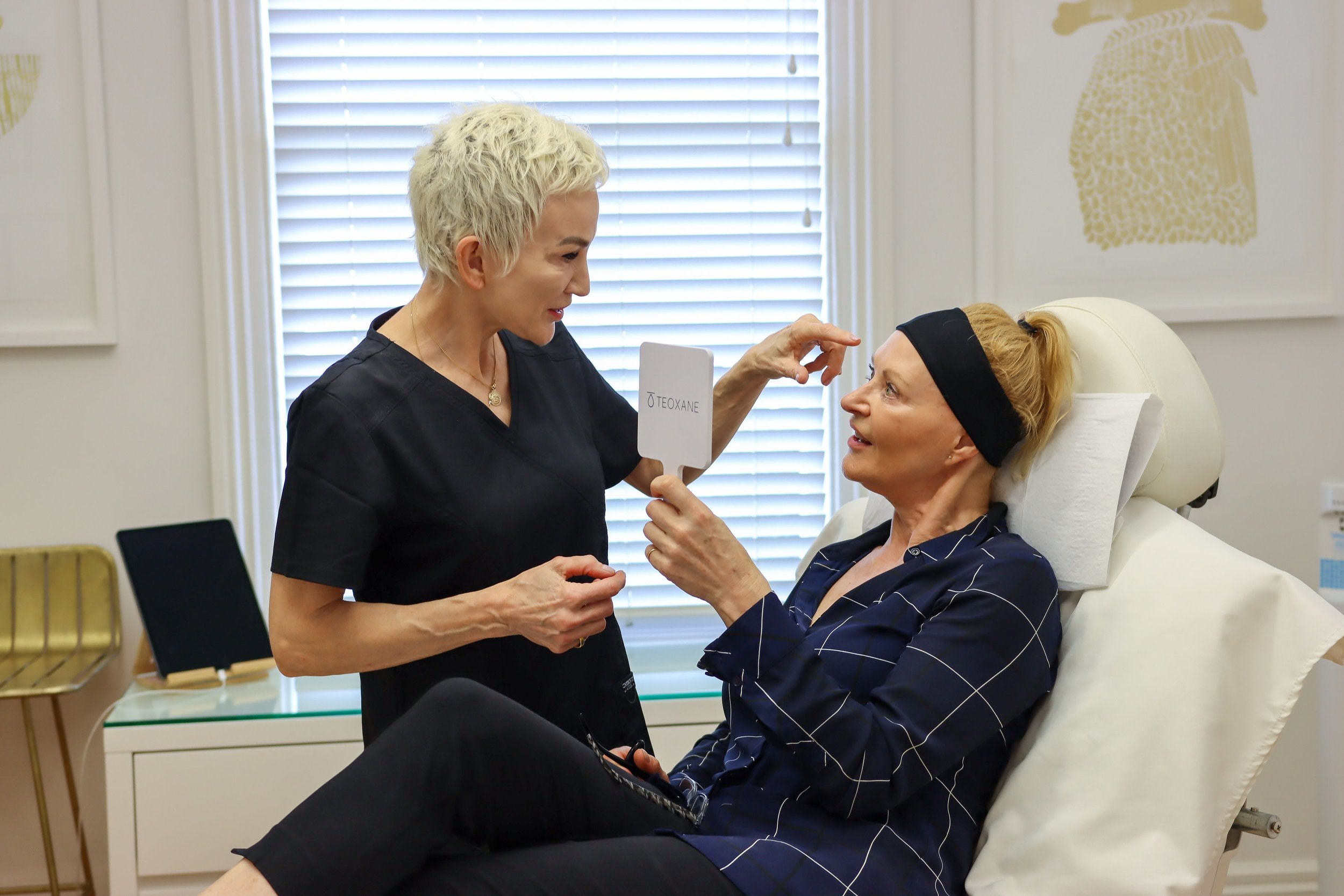
Medical dermal needling, also called Collagen Induction Therapy, uses a Dermapen 4 to create tiny, controlled micro-channels in the skin.
These micro-injuries trigger the skin's natural healing response, prompting new collagen and elastin production. Over a course of treatments, this can improve overall skin texture and firmness, soften the appearance of fine lines and scarring, help with pigmentation and the broken blood vessels left by sun damage and rosacea, reduce the size of pores, and help topical skincare products absorb more effectively. It suits the face, neck and décolletage. At Aesthetica in Grey Lynn, dermal needling is performed personally by Dr Patti Piper, who has years of surgical training and a thorough understanding of skin healing.
How it works
The Dermapen 4 uses fine, sterile needles to create tiny, controlled micro-injuries across the treatment area, at a depth and density set for the particular skin and concern involved. This stimulates collagen synthesis as the skin repairs itself, gradually remodelling the treated area over the following weeks.
A topical numbing cream is applied beforehand to keep the procedure comfortable, and because it is minimally invasive, there are no incisions and little to no downtime compared with more invasive resurfacing options.
What to expect
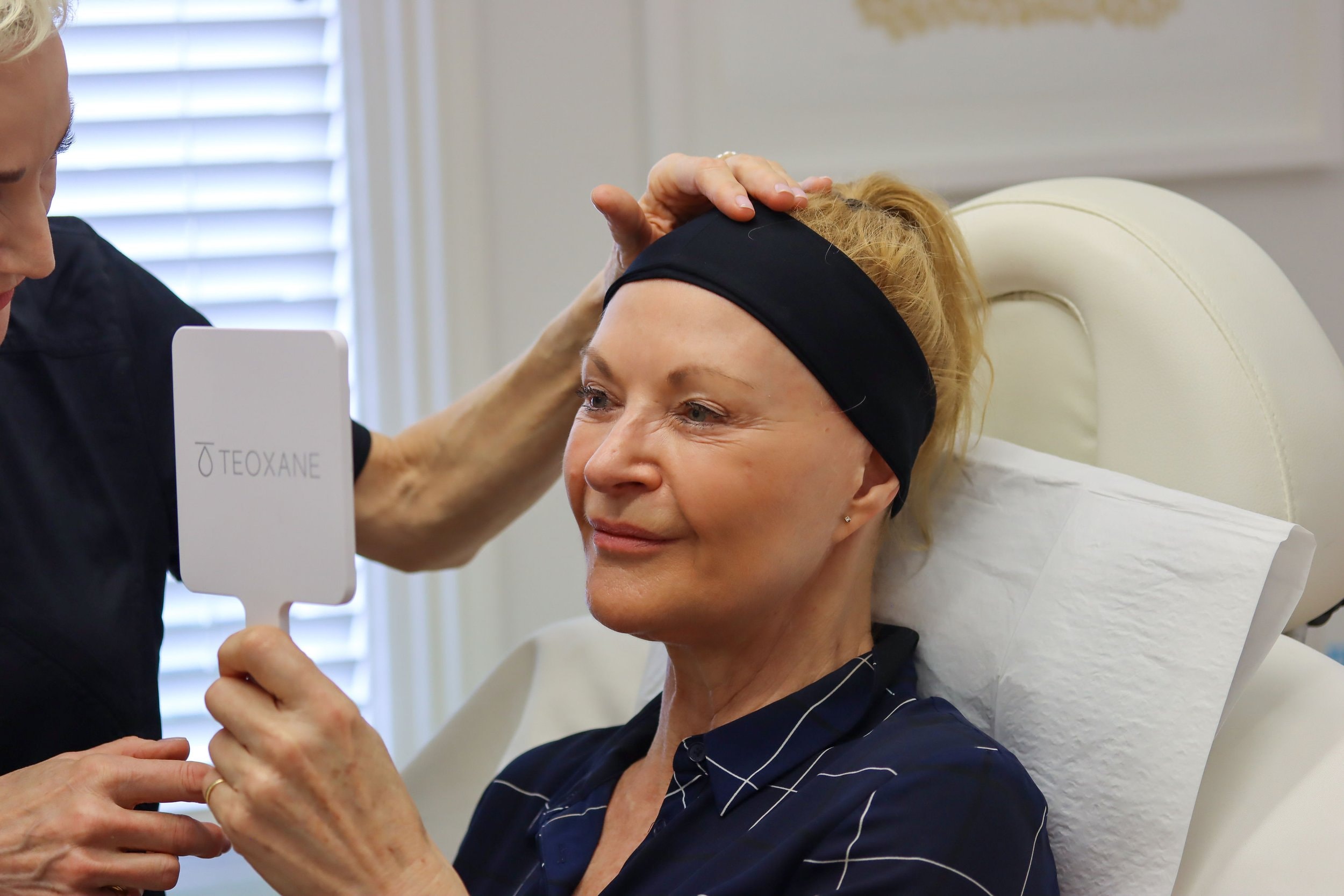
Years of surgical training in how skin heals.
Dr Patti's years of surgical training give her a thorough understanding of skin healing, which shapes how she plans a dermal needling course and its aftercare. Every session is performed personally, never handed to a nurse or technician.
Frequently asked
Dermal needling is generally well tolerated, and a topical numbing cream is applied to the treatment area beforehand to keep discomfort to a minimum. Most people describe the sensation during the session as a mild pressure or scratchiness rather than sharp pain. Sensitivity can vary depending on the treatment area and the density of needling used, and Dr Patti adjusts her approach to keep the procedure as comfortable as possible.
A single dermal needling session generally takes around 60 minutes, including the time needed to apply numbing cream and prepare the skin. The exact length depends on the size of the area being treated and the specific concerns involved. Sessions are typically spaced 4 to 6 weeks apart as part of a full course, rather than repeated more frequently than the skin needs.
Most people are recommended a course of 3 to 6 treatments, spaced 4 to 6 weeks apart, since collagen remodelling builds gradually with each session rather than all at once. Some improvement may be noticeable after a single treatment, but a full course generally gives a better and longer-lasting result. Dr Patti recommends a course length suited to your skin and goals at consultation.
The cost of dermal needling depends on how many sessions your skin needs and the area being treated, since it is generally recommended as a course rather than a single visit. Dr Patti discusses the likely number of sessions and total cost with you at consultation, before your first treatment begins, so you know what to expect.
Some redness, mild swelling and sensitivity in the treated area is normal after dermal needling and usually settles within a few days. Sun exposure should be avoided and sunscreen worn while the skin heals, and Dr Patti may advise pausing certain skincare products for a short period afterwards. Following her aftercare instructions helps the skin heal properly and supports the best possible result from each session.
Dermal needling is generally suitable across a wide range of skin types and tones, since the depth and density of needling can be adjusted to suit the skin involved. It is often a better option than a skin peel or laser for darker skin, because it is less likely to cause hyperpigmentation. It is a good option for people wanting to improve texture, firmness, pigmentation, pore size or the appearance of fine lines and scarring without surgery or significant downtime. Dr Patti assesses your skin at consultation to confirm dermal needling is the right fit before recommending a course.
Dermal needling, chemical peels and laser treatments all aim to improve skin texture, but they work in different ways and suit different concerns and skin types. Dermal needling stimulates collagen through controlled micro-channels rather than removing surface layers of skin or using heat, which can make it a gentler option for some skin types. Dr Patti can also combine dermal needling with other treatments where appropriate, and recommends the approach, or combination, best suited to your skin at consultation.
Book a consultation with Dr Patti.
Because dermal needling works best as a planned course, the cost depends on the number of sessions recommended, confirmed with you at consultation.