Mole Removal & Minor Cosmetic Surgery in Auckland
Mole removal at Aesthetica is carried out for cosmetic reasons, to take away a lesion you would rather not have, rather than as skin cancer treatment. It is a simple, generally painless procedure when performed surgically rather than by cauterising a lesion off, and Dr Patti Piper, who has years of surgical training, prefers surgical techniques for exactly this reason. Every lesion is checked with a dermascope before any removal is carried out.
Book a consultation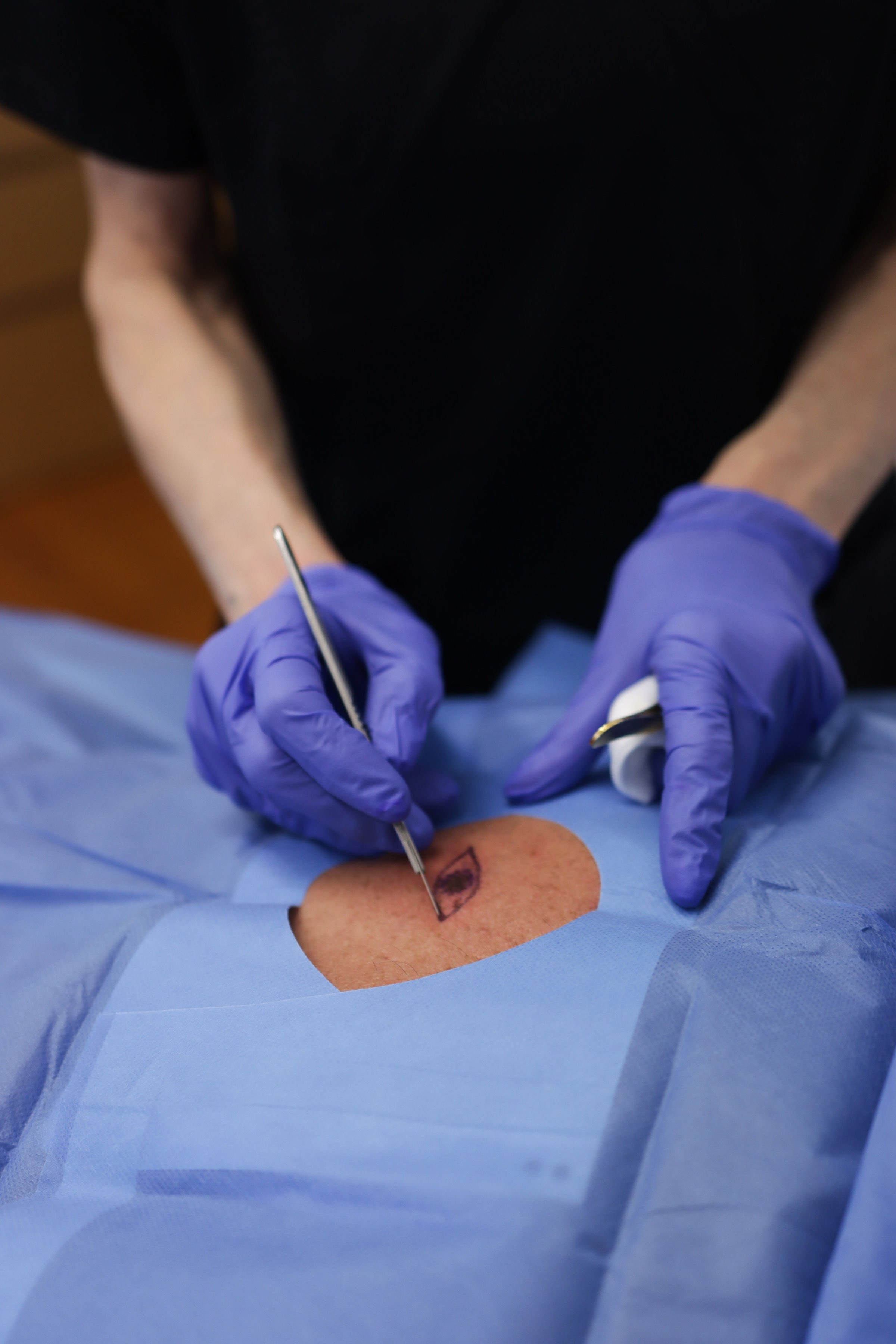
Every lesion is first examined using a dermascope, a skin microscope, to confirm it is benign before any cosmetic removal goes ahead.
If a lesion carries any risk of being a melanoma or another skin cancer, Dr Patti does not remove it as a cosmetic procedure. She will tell you at the appointment and refer you on for proper assessment and treatment. For most facial moles, Dr Patti prefers a superficial skin shave: a disposable, bendable blade shaves the lesion away from the underlying skin after local anaesthetic has been injected, so the procedure is painless. A formal excision, using fine sutures, may be the better option for some lesions; Dr Patti removes these sutures herself after about 5 days, when she checks the healing wound.
Why choose surgical excision over cautery
Dr Patti prefers surgical excision to cauterising (burning off) lesions for aesthetic reasons, because a shave or formal excision leaves an intact specimen. Cauterising destroys the tissue, which means nothing can be checked afterwards if a lesion turns out not to be what it appeared.
A superficial shave also results in very little, if any, bleeding, easily controlled with pressure or a topical coagulant, and because the skin is not burned, scarring is minimal. Specimens are sent for histological examination whenever there is any clinical reason to check one.
Mole removal, skin tags & other lesions
Minor cosmetic surgery
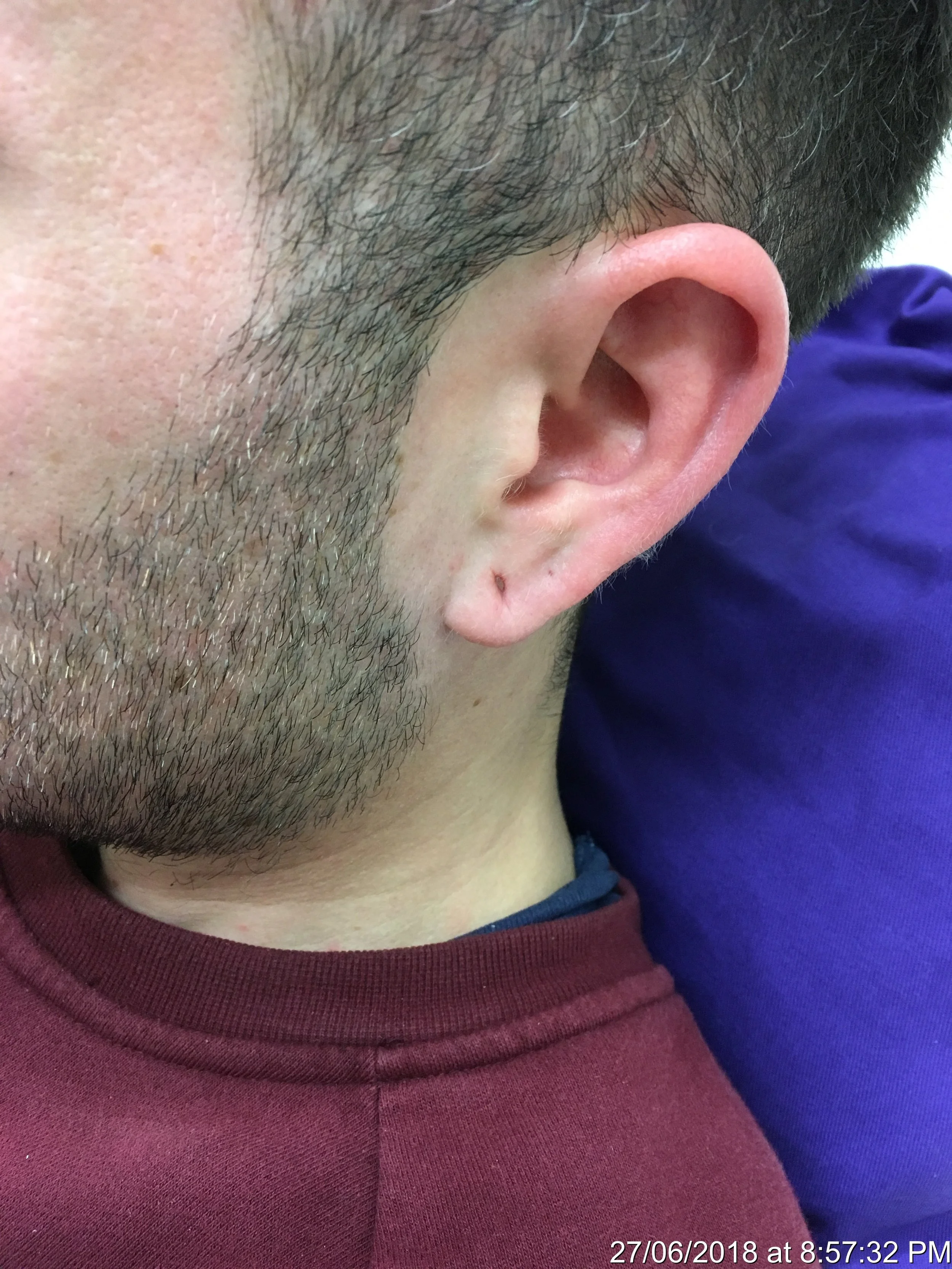
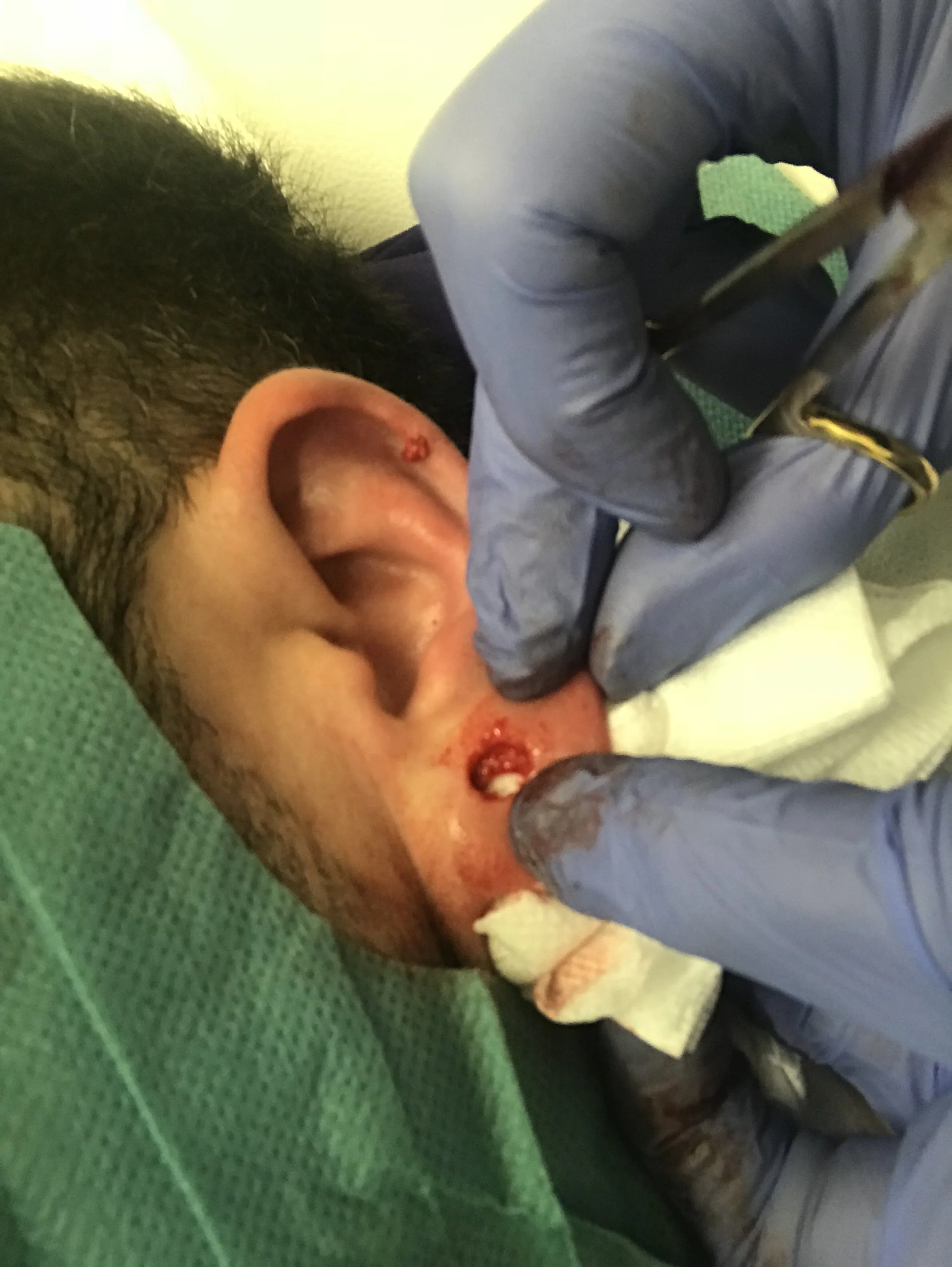
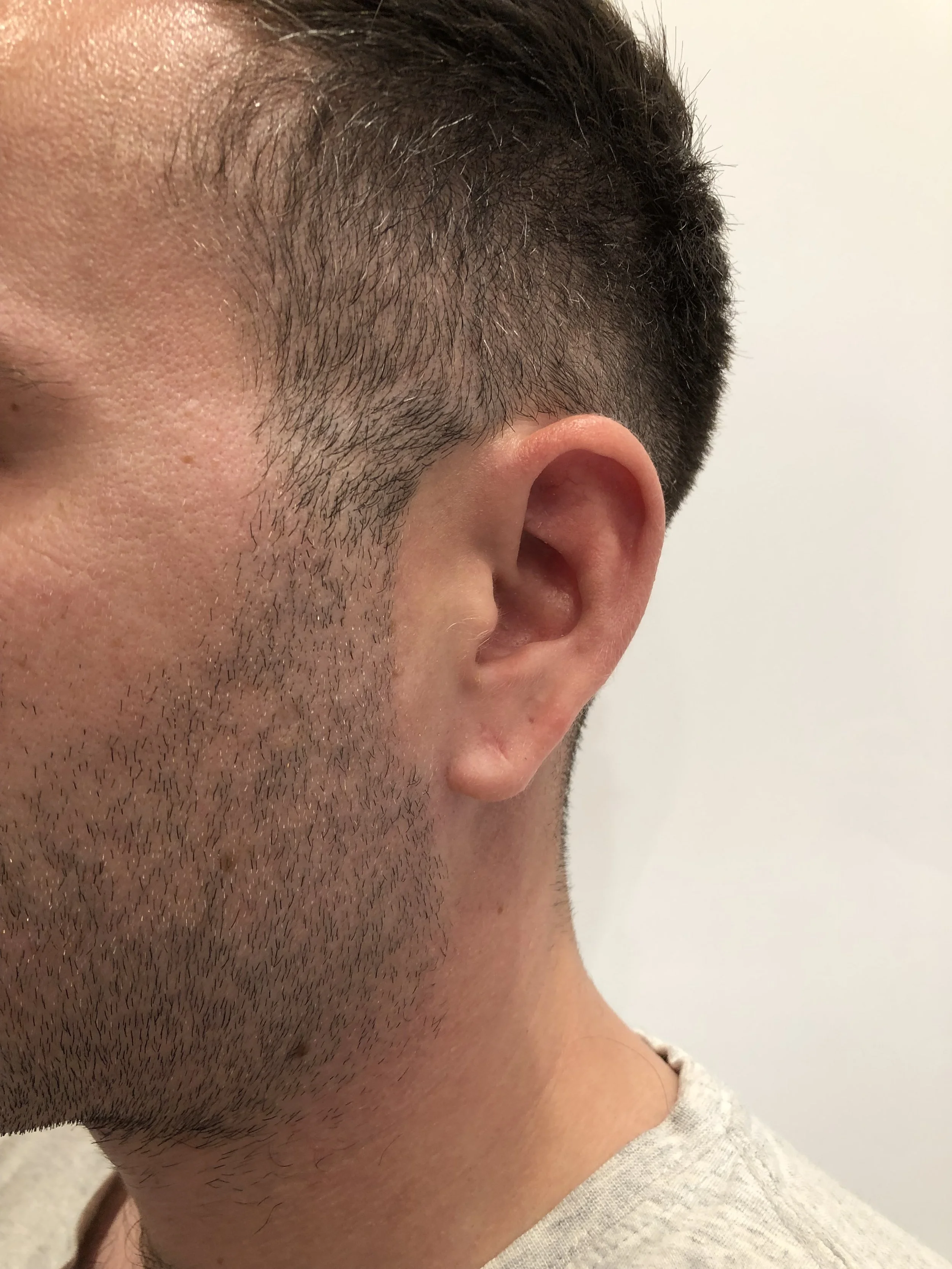
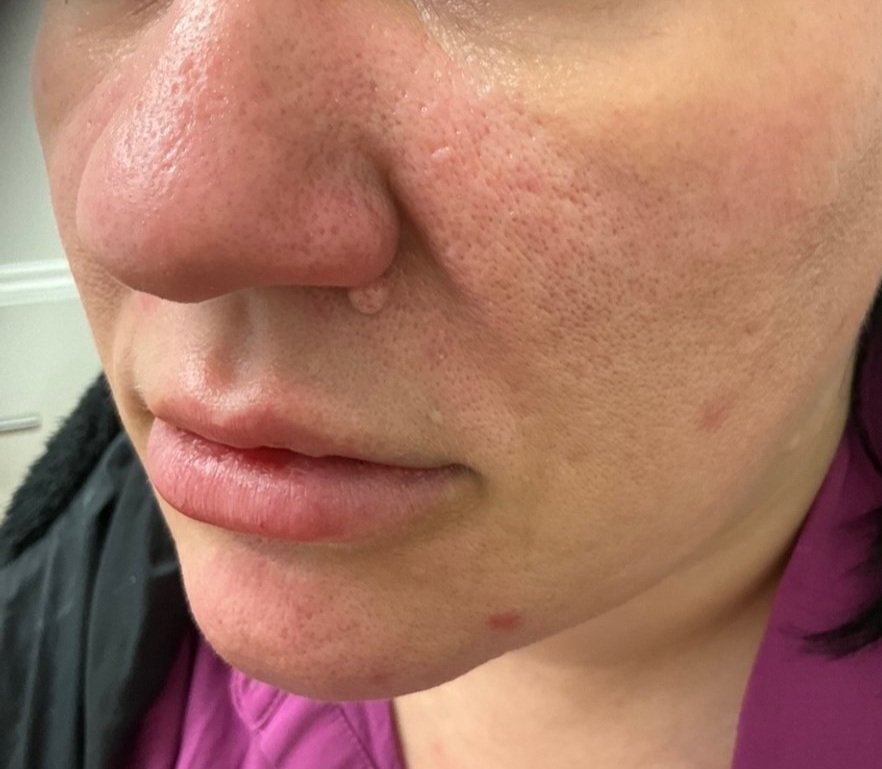
Years of surgical training, not a beauty therapist with a laser.
Dr Patti's years of surgical training mean she prefers proper surgical technique to cautery, and every lesion is examined with a dermascope before anything is removed. That surgical judgement is exactly what keeps scarring minimal and melanoma risk properly managed.
Frequently asked
Mole removal is designed to be painless: local anaesthetic is injected around the lesion before either a shave or a formal excision is carried out, so you should not feel the procedure itself. Some mild tenderness at the site afterwards is normal as the anaesthetic wears off. Because a superficial shave does not involve significant cutting or burning, recovery is generally quick and straightforward compared with more invasive removal methods.
Scarring is generally minimal, particularly with a superficial skin shave, since the skin is not burned or subjected to a deep cut. A formal excision, which uses fine sutures, may leave a small, fine line scar, though Dr Patti chooses the technique most likely to heal well for each specific lesion and location. She discusses the likely cosmetic outcome for your particular mole before deciding which technique to use.
Healing time depends on the technique used. A superficial shave generally heals quickly with minimal aftercare, while a formal excision involves fine sutures that Dr Patti removes herself after about 5 days, once she has checked the wound is healing well. Most people can return to normal activities quickly after either technique, with any restrictions explained at your appointment based on the location and size of the lesion removed.
Current prices are on the price list page. The cost of mole removal depends on the technique used, the size and number of lesions, and whether laboratory testing is required. Your consultation includes an examination with a dermascope and a clear explanation of the recommended technique and cost before any removal is carried out.
A shave excision uses a disposable, bendable blade to remove a lesion level with the surrounding skin, leaving very little bleeding and minimal scarring, and suits many facial growths well. A formal excision cuts more deeply and uses fine sutures to close the wound, which Dr Patti removes after about 5 days; this may suit lesions that need to be removed to a greater depth. Dr Patti recommends whichever technique best suits your specific lesion at consultation.
Specimens are sent for histological examination whenever there is a clinical reason to check one. Not every cosmetic removal needs it, because Dr Patti does not remove anything at Aesthetica that carries a risk of being a melanoma. Every lesion is examined with a dermascope first, and if there is any doubt about it, she refers you on for proper assessment rather than removing it as a cosmetic procedure. Her surgical background and skin cancer qualifications are what allow her to make that call reliably.
Yes, skin tags on the neck or in the armpits can generally be snipped off under local anaesthetic in the same appointment as other lesions being addressed, since both are quick, straightforward procedures. Dr Patti examines everything you would like looked at during your consultation and lets you know what can reasonably be dealt with in a single visit. Skin tags are not routinely sent for laboratory testing, unlike moles and other pigmented lesions.
Book a consultation with Dr Patti.
The cost depends on the technique used, the size and number of lesions, and whether laboratory testing is required, confirmed at consultation.