
Acne Scarring Treatment Auckland: Improving Skin Texture After Acne
Acne scarring treatment is usually sought once active breakouts have settled but left behind pitted, uneven texture across the cheeks, jawline or back. At Aesthetica in Grey Lynn, medical dermal needling is Dr Patti Piper's primary treatment for improving acne-scarred skin texture, with dermal filler used to restore volume in deeper, depressed scars.
Discuss with Dr Patti
Acne begins when rising hormone levels increase oil production in the skin's hair follicles.
Dead skin cells fail to shed normally, blocking the follicle and forming blackheads or whiteheads, while bacteria colonises the blocked follicle and triggers inflammation. This inflammation produces the papules, pustules, nodules and cystic lesions typical of moderate to severe acne. Scarring develops when deep inflammatory lesions rupture within the dermis. Atrophic scars leave a pitted or depressed texture, while hypertrophic scars sit raised above the surrounding skin. Recognising and treating acne early reduces the risk of lasting scarring.
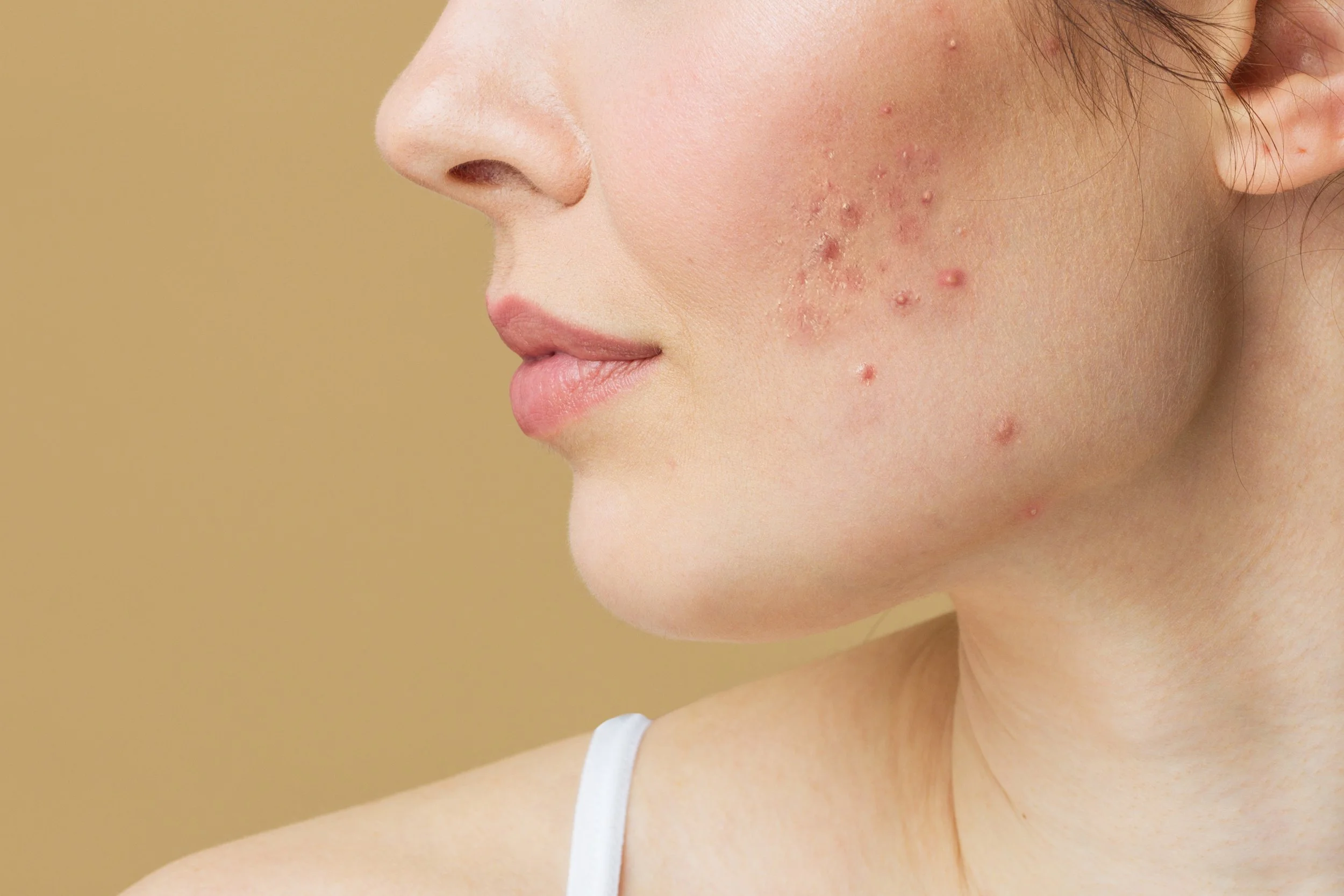
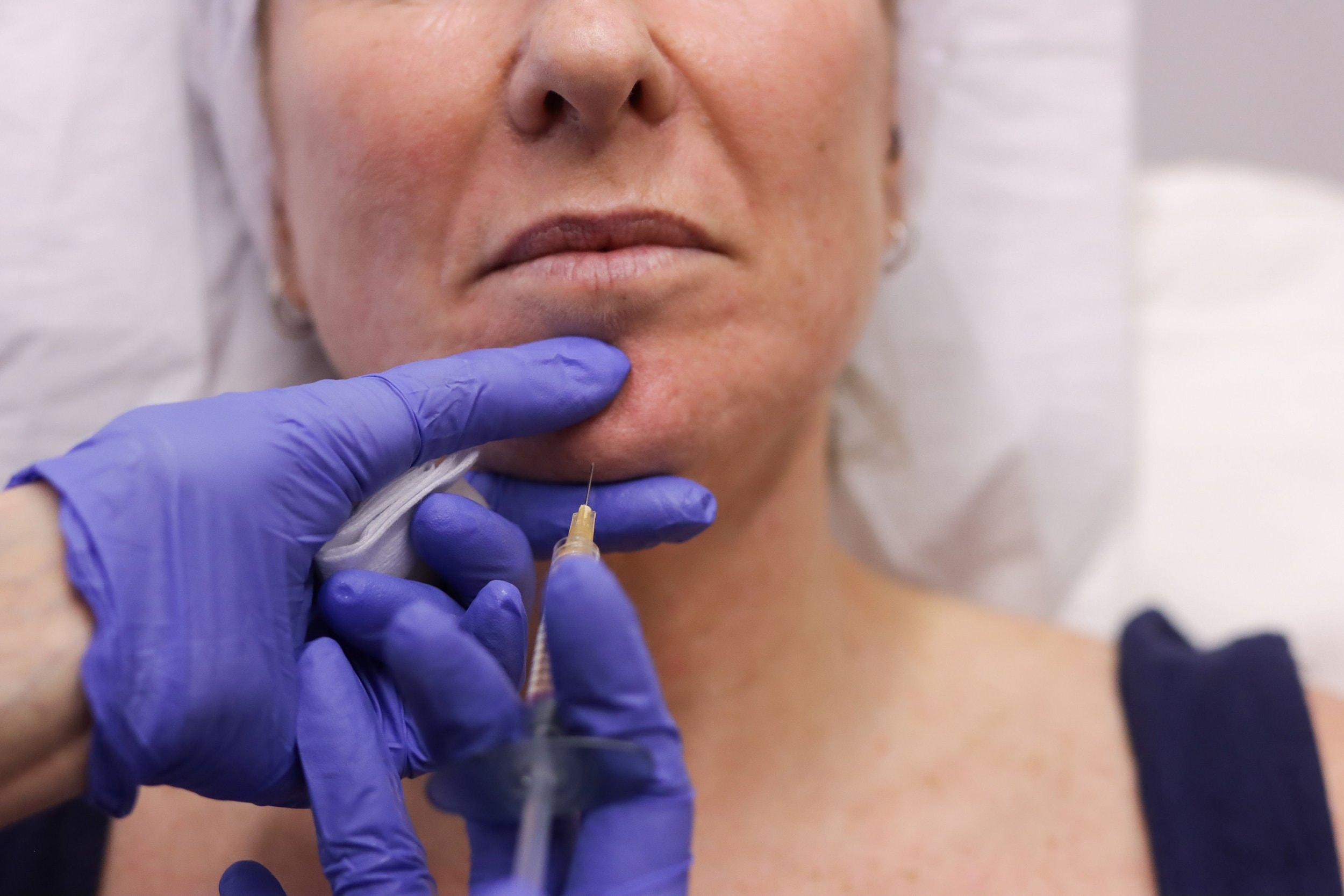
Aesthetica's dermal needling and filler treatments address the scarring left behind by acne rather than active, inflamed breakouts. Ongoing or severe acne is best assessed and treated medically first, whether with topical treatments, oral antibiotics, hormonal therapy or, in more severe cases, isotretinoin under specialist supervision, since treating the underlying acne reduces the risk of further scarring forming. Dr Patti Piper will examine your skin, grade the severity of any active acne, and advise honestly on whether scar treatment should wait or can begin alongside ongoing medical management.
Frequently asked
Atrophic scars sit below the surrounding skin, giving a pitted or depressed texture, while hypertrophic scars are raised above it. Atrophic scarring is the more common pattern after acne and responds well to treatments that stimulate collagen from beneath the skin, such as medical dermal needling. Hypertrophic scars are less common on the face and involve an excess of scar tissue rather than a deficit. Knowing which type of scarring is present matters because the two respond differently to treatment, which is why an in-person assessment is more reliable than judging scarring from a mirror alone.
Most people need a course of three to six medical dermal needling sessions, spaced four to six weeks apart, to see a meaningful improvement in acne-scarred skin. Because dermal needling works by stimulating the skin's own collagen production gradually, results build cumulatively across the course rather than appearing after a single treatment. The exact number of sessions depends on the depth and extent of scarring, which Dr Patti Piper assesses at consultation.
Dermal filler does not remove acne scars but can lift and soften individual deep, depressed scars by restoring volume directly beneath them. It works best on isolated atrophic scars rather than widespread textural changes across a larger area, where medical dermal needling is generally the more suitable treatment. Many patients use both together, filler for specific deep scars and needling for overall texture.
Yes, medical dermal needling is generally safe for acne-scarred skin when performed by an experienced practitioner using sterile technique, though it is usually best carried out once active, inflamed breakouts have settled rather than during a severe flare. Dr Patti Piper examines your skin and reviews your acne history before planning a course, adjusting timing where active breakouts are still present.
Mild acne scarring can soften slightly on its own over one to two years as the skin naturally remodels, but established atrophic or hypertrophic scars generally do not resolve fully without treatment. For scarring that has already developed, medical dermal needling and dermal filler both work by actively stimulating or restoring the skin, rather than waiting for a natural process that has largely already run its course.
Aesthetica is a cosmetic clinic at 24 Rose Rd, Grey Lynn, just off Ponsonby Rd, where medical dermal needling and dermal filler for acne scarring are performed personally by Dr Patti Piper, who has years of surgical training and further cosmetic medicine training. Every course begins with a proper consultation to assess scar type and plan realistic treatment. Appointments are arranged personally by phone rather than online.
Not sure where to start?
Bring the concern. Dr Patti will tell you honestly what will help, and what won't.
Book a consultation