
Pigmentation Treatment Auckland: Evening Out Skin Tone
Pigmentation treatment is usually sought when dark spots or patches appear noticeably darker than the surrounding skin, a condition known as hyperpigmentation. At Aesthetica in Grey Lynn, pigmentation is assessed by Dr Patti Piper, who advises on topical and prescription treatment options and identifies when a lesion needs closer examination rather than cosmetic treatment.
Discuss with Dr Patti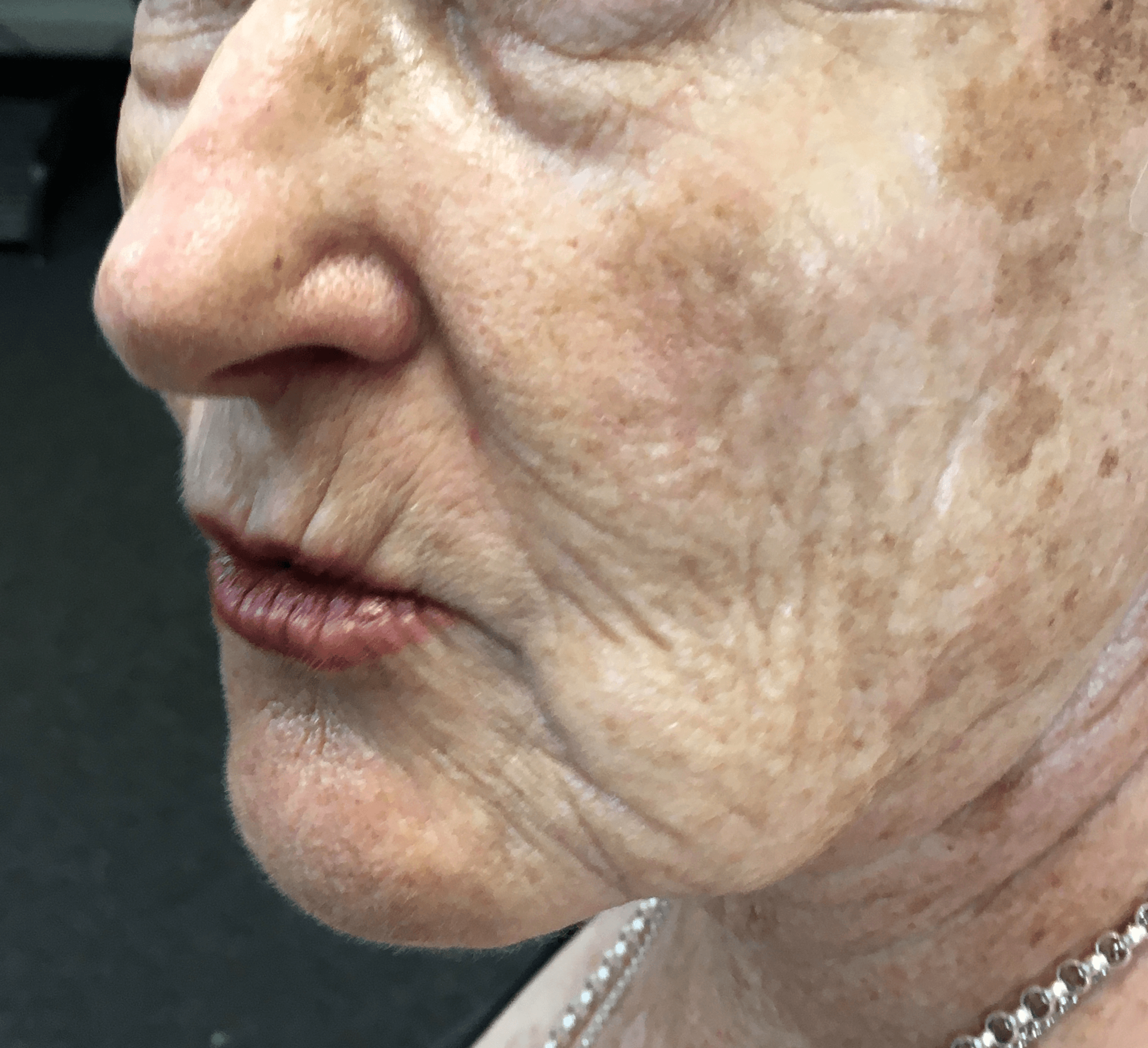
Hyperpigmentation occurs when melanin, the pigment responsible for skin colour, is overproduced in a specific area, creating patches or spots darker than the surrounding skin.
Sun exposure is the most common trigger, but hormonal changes, particularly during pregnancy or with hormonal contraception, can cause melasma, a symmetrical patchy pigmentation typically on the cheeks, forehead and upper lip. Pigmentation can also follow inflammation from acne, injury or other skin irritation, known as post-inflammatory hyperpigmentation. Because these causes differ, an accurate diagnosis of what type of pigmentation is present matters before choosing a treatment approach.
Treatments that may suit
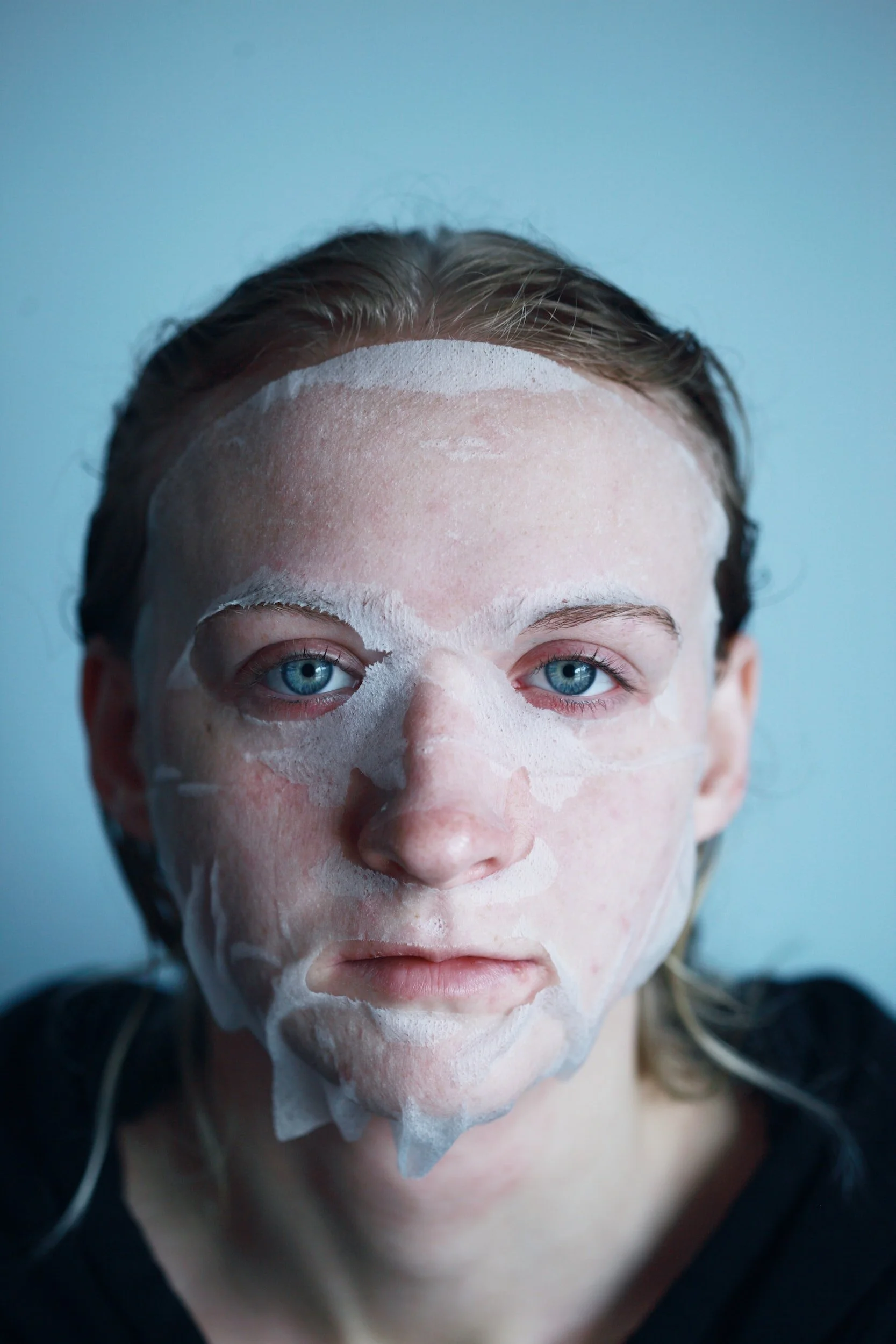
Most pigmentation responds best to topical treatment rather than an in-clinic procedure. Over-the-counter serums containing retinoids, azelaic acid, kojic acid, vitamin C or niacinamide can reduce melanin production and gently promote skin cell turnover to even out tone over time. Where pigmentation is more established or stubborn, prescription-strength retinoids or hydroquinone may be recommended, used under an experienced practitioner's guidance.
Because pigmentation, melasma and early skin cancer can all appear as a darker patch or spot on the skin, an accurate diagnosis is the essential first step before starting any treatment. Dr Patti Piper's background includes extensive skin cancer examination experience, which means a pigmentation consultation also includes a proper assessment of whether a spot is straightforward pigmentation or something that needs further investigation.
Frequently asked
Hyperpigmentation is the general term for any area of skin that is darker than its surroundings due to excess melanin, and it can be caused by sun exposure, inflammation, injury or hormones. Melasma is a specific type of hyperpigmentation triggered by hormonal changes, typically appearing as symmetrical patches on the cheeks, forehead and upper lip, and is more common during pregnancy or with hormonal contraception. Both can look similar to the eye, but melasma often responds differently to treatment because of its hormonal trigger.
Mild pigmentation can often improve with consistent use of over-the-counter serums containing ingredients such as retinoids, vitamin C, azelaic acid or niacinamide, which reduce melanin production and support skin cell turnover. More established or stubborn pigmentation, including melasma, may need prescription-strength retinoids or hydroquinone used under guidance to monitor for side effects. Results from any topical approach take weeks to months of regular use to become visible.
It is not recommended, because pigmentation, melasma and early skin cancer can all present as a darker patch or spot on the skin, and telling them apart from a mirror alone is not reliable. Seeing a doctor first means any suspicious features are checked before cosmetic treatment begins, rather than a dark spot being treated as pigmentation when it needed closer examination. Dr Patti Piper's assessment covers both the cosmetic and medical side of a pigmentation concern at the same appointment.
Most topical pigmentation treatments take several weeks to a few months of consistent use before an improvement in skin tone becomes visible, since they work by gradually reducing melanin production and promoting cell turnover rather than removing pigment instantly. Melasma in particular can be slow to respond and may fluctuate with hormonal changes or sun exposure during treatment. Sun protection alongside any topical treatment is essential.
Any spot or patch that is new, changing in size, shape, colour or texture, or looks or feels different from the skin around it should be properly examined rather than assumed to be sun-related pigmentation. This is also how skin cancer can present, and the two are not always easy to tell apart without an examination. Dr Patti Piper, who has extensive experience in skin cancer examination, will assess whether a mark is straightforward pigmentation or needs further investigation before recommending any cosmetic treatment.
Aesthetica is a cosmetic clinic at 24 Rose Rd, Grey Lynn, just off Ponsonby Rd, where Dr Patti Piper assesses pigmentation concerns and advises on suitable topical or prescription treatment. Because her background includes extensive skin cancer examination experience, a pigmentation consultation also covers whether a spot needs further investigation rather than cosmetic treatment alone, though Dr Patti's general skin cancer check service for new patients is currently closed. Appointments are arranged personally by phone rather than online.
Not sure where to start?
Bring the concern. Dr Patti will tell you honestly what will help, and what won't.
Book a consultation