
Sun Damaged Skin Treatment Auckland: Repairing and Protecting Your Skin
Sun damaged skin treatment addresses the visible changes that build up after years of ultraviolet exposure, including hyperpigmentation, fine lines, premature wrinkling and rough, scaly patches known as actinic keratoses. At Aesthetica in Grey Lynn, Dr Patti Piper treats the cosmetic effects of sun damage with dermal needling and dermal filler. She no longer offers full body skin checks and advises everyone to have one with a dedicated skin cancer clinic or their GP, though she is happy to look at a single spot that concerns you.
Discuss with Dr Patti
Both UVA and UVB rays contribute to sun damage over time, breaking down the collagen and elastin fibres that keep skin firm and smooth.
This shows up as hyperpigmentation, including dark spots, freckles and uneven skin tone, along with fine lines, wrinkles and a general loss of skin firmness that appears earlier than it otherwise would. Actinic keratoses, rough scaly patches that develop on sun-exposed skin, are a further consequence and are considered pre-cancerous, meaning they can progress to skin cancer if left untreated. New Zealand has the highest incidence of melanoma in the world, which makes sun protection and regular skin checks especially important here.
Treatments that may suit
Preventing further sun damage matters as much as treating existing changes. Broad-spectrum sunscreen of at least SPF 30 should be applied to all exposed skin and reapplied every two hours or after swimming or sweating, alongside protective clothing such as wide-brimmed hats and sunglasses and seeking shade during peak UV hours, typically 10am to 4pm. Tanning beds should be avoided entirely, since they emit UV radiation that damages skin just as natural sunlight does.
Frequently asked
Sun damaged skin commonly shows as hyperpigmentation, including dark spots, freckling or an uneven skin tone, alongside fine lines, premature wrinkling and a general loss of firmness that develops earlier than it would from ageing alone. Rough, scaly patches called actinic keratoses can also develop on frequently sun-exposed areas, and these are considered pre-cancerous rather than purely cosmetic. Because sun damage and early skin cancer can look similar in places, a proper examination is the most reliable way to know exactly what you are looking at.
Medical dermal needling cannot reverse sun damage entirely but can meaningfully improve its visible effects by stimulating the skin's own collagen production, gradually improving texture, tone and firmness over a course of treatments. It works best on the fine lines, textural roughness and loss of firmness that sun exposure causes, rather than on pre-cancerous changes such as actinic keratoses, which need medical rather than cosmetic treatment.
Sun damage and skin cancer share the same underlying cause, ultraviolet exposure, which is why visibly sun damaged skin is a genuine reason to have regular professional skin examinations rather than relying on self-checks alone. Not all sun damage is skin cancer or pre-cancerous, but actinic keratoses, the rough scaly patches sun exposure can cause, are considered pre-cancerous and should be assessed by a doctor.
Daily broad-spectrum sunscreen of at least SPF 30, reapplied every two hours or after swimming or sweating, is the single most effective way to prevent further sun damage, alongside protective clothing, wide-brimmed hats and seeking shade during peak UV hours of roughly 10am to 4pm. Tanning beds should be avoided completely, since they cause damage comparable to natural sunlight.
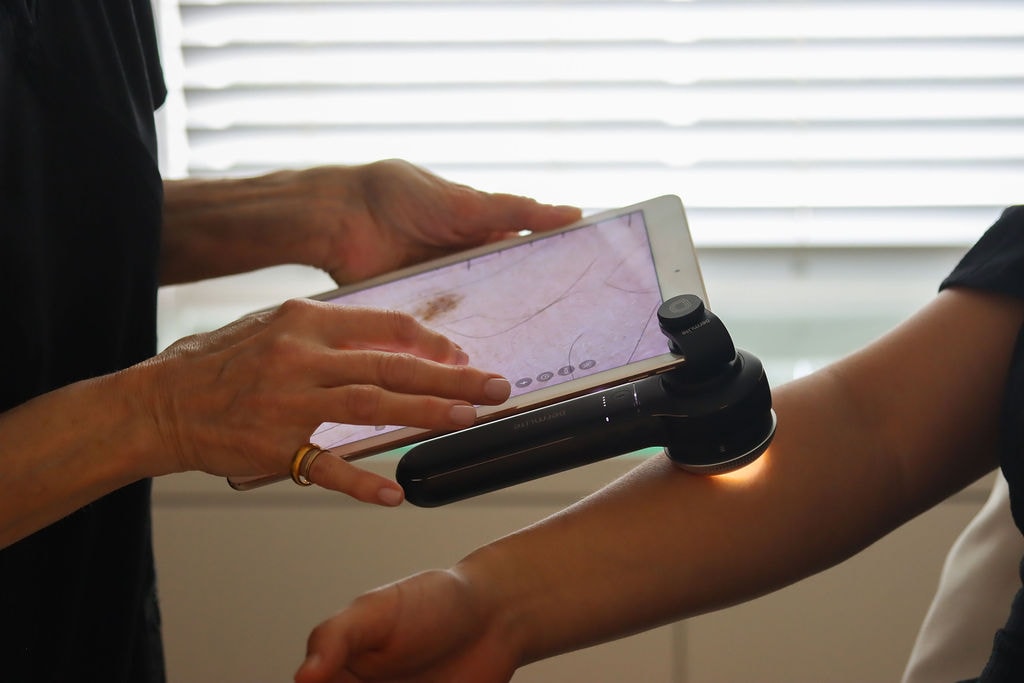
Yes, visibly sun damaged skin is a good reason to have a professional skin cancer examination, particularly if you notice any rough, scaly patches, or a spot or mole that is sore, changing, abnormal or new. A skin cancer examination using a dermascope, with a photographic record for future comparison, gives a more reliable assessment than a self-check alone. Dr Patti Piper's background includes years of skin cancer surgery.
Aesthetica is a cosmetic clinic at 24 Rose Rd, Grey Lynn, just off Ponsonby Rd, where Dr Patti Piper treats the cosmetic effects of sun damage with dermal needling and dermal filler. Dr Patti no longer offers full body skin checks and advises everyone to have one elsewhere, though she is happy to look at a single spot that concerns you. Appointments are arranged personally by phone rather than online.
Not sure where to start?
Bring the concern. Dr Patti will tell you honestly what will help, and what won't.
Book a consultation